Destiny is the cheat code of the heart. Say the words fated mate, soulmark, or bond and a story charges itself with inevitability. Readers know a collision is coming, which lets authors focus on how and why instead of if. The trope promises recognition without audition, intimacy that arrives preloaded with weight, and a test of character once the universe has had its say. When it works, fate is not a shortcut but a crucible. Choice still matters. The pull brings lovers together, then demands they earn what destiny only begins.
SLAVE TO SENSATION — Nalini Singh

In Singh’s series opener, a Psy empath who has been trained to feel nothing collides with a changeling alpha whose world runs on touch, scent, and pack bonds. The mating drive in his species is biological and inescapable, while her culture treats emotion like a disease. That friction turns the fated trope into a high-stakes negotiation about safety, autonomy, and the cost of awakening.
What sets this apart is craft. The romance tracks alongside a conspiracy thriller, and every tender beat is laced with sensory detail that makes the bond feel physical and specific. Consent is explicit, boundaries are named, and the happily ever after lands because both leads refuse to confuse inevitability with entitlement.
A COURT OF MIST AND FURY — Sarah J. Maas
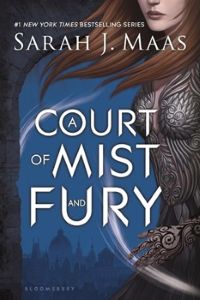
Feyre’s bond is not a sparkle that solves her problems. It is a revelation that arrives after trauma, therapy, and the hard work of telling the truth about what she wants. The mating concept expands the world’s mythology while grounding the romance in emotional labor, friendship, and a recalibration of power.
The allure here is transformation. Fate opens a door, then the book spends its pages on healing, communication, and found family that supports desire instead of policing it. Readers who want destiny to elevate agency rather than erase it will find that balance here.
WOLFSONG — TJ Klune
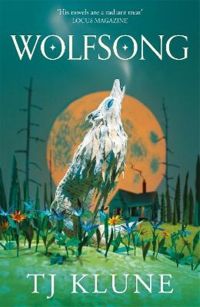
Pack magic makes bonds visible, audible, and communal in this queer coming-of-age romance. Ox learns to hear the world in new frequencies after meeting a family of werewolves, including the boy who will one day call to him with a voice that sounds like home. The connection is fated, yet the timing is patient, and the story refuses to rush innocence into heat.
Klune frames destiny as community. The bond is not only erotic, it is civic and spiritual, with rituals that ask for responsibility as much as devotion. The result is a romance where inevitability meets stewardship, and where love grows because people choose to be worthy of the claim.
RHAPSODIC — Laura Thalassa
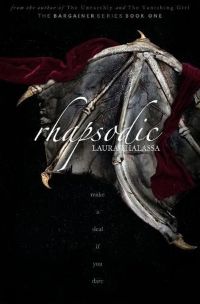
A siren with a ledger of favors and a fae king with a talent for collecting debts find themselves tied by years of midnight bargains. The tether here is not a bite or a mark, it is an accumulation of choices that behave like fate once enough of them stack up. The chemistry crackles, the banter cuts, and the debt motif turns longing into math.
This take on soulmates is deliciously transactional until it is not. The book peels back the glamour to ask what devotion looks like when power imbalances are real and history is messy. Destiny becomes a reckoning, and the payoff arrives when the bond is remade as partnership rather than possession.
A HUNGER LIKE NO OTHER by Kresley Cole

A Lykae king breaks free from centuries of torture the moment he scents his destined mate, and the trail leads him to Emma, a half-Valkyrie, half-vampire scholar who would rather catalog myths than star in one. The fated bond in this world is visceral and undeniable, which turns Paris alleyways and Scottish strongholds into pressure cookers for two people who should not fit. Fate strikes the match, then the story insists on negotiation, patience, and hard conversations before the fire can keep anyone warm.
What makes this a landmark fated-mates romance is the arc of power and agency. Emma begins cautious and conflict-averse, then claims space, voice, and desire until the bond reads like partnership rather than possession. The series’ signature dark humor and sweeping immortal politics keep the pace brisk, but the heart is in those scenes where consent is explicit and the alpha myth is challenged instead of rubber-stamped. If you want destiny with teeth and growth, this one delivers.
Destiny works in romance because it collapses distance. Say soulmark, mate bond, prophecy, and the story gains a clean line through chaos. Readers feel the snap of recognition, the promise that the plot will bend around two people until they meet. Fate creates pressure, not shortcuts. It makes every choice brighter because the cost of refusing the pull is written into the spine of the world.
The best fated romances defend agency. A bond sets the stage, then the characters must step onto it and consent to the dance. They communicate, set boundaries, fail, try again, and choose each other with eyes open. Whether the tether is biological, magical, or built from owed favors, the question is always the same. What will they earn beyond what was given.
What keeps the trope fresh is variation. Authors keep inventing wrong-soulmate twists, breakable bonds, communal ties that make love a civic act, and prophecies that demand sacrifice rather than obedience. Destiny becomes a crucible for integrity instead of a cage. In the end, the appeal is simple. Fate points, and love proves it was right.

CJ Holmes writes paranormal and fantasy romances with sizzlingly hot heroes and strong, sassy women. Her first two series have reached the top ten category bestseller lists on Amazon and she has recently signed a four-book deal with City Owl Press. You can expect a strong dash of dry British humor, enough action and adventure to keep you turning the pages, and spice that might be too hot to read in public.
You’ll find CJ hanging out in one of her local cafes or walking somewhere in the UK countryside, invariably inappropriately dressed for the weather. If she isn’t there, she’ll be in a bookshop adding to her TBR list and book collection, and she considers herself fortunate that her husband is also an avid reader.
No comments posted.












 © 2003-2026