Poplar in the industrialised East End of London is an
unforgiving place for a widow with small children. Having
taken up inadvertently with a lout, Mrs Connell soon regrets
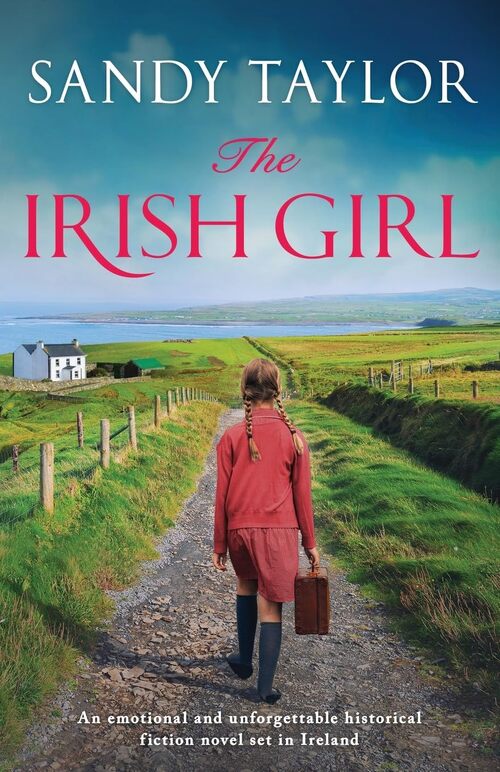
it. THE IRISH GIRL is her daughter Ivy, who aged just
thirteen is left to care for her younger brother Fred after
a terrible incident.
Ivy and Fred flee, and while they would be safe in the
convent school, they discover a bus load of orphans being
sent away to Australia, and mingle. The time is between the
wars, and Britain’s economy is by no means good. Sid
Cotter has followed the children, as they witnessed his
attack on their mother, who was left for dead. Their fear
communicates itself to an alert orphan, Lenny Brown, and he
helps them escape with younger orphan Arthur to Wales
instead. The next section of the tale follows the four
children on a ferry across the Irish Sea to Carraig on the
Blackwater, where the Connells’ parents came from and
they may still have relatives.
This turns out to be a much better alternative, as we
see. In fact, I think it may be a little like rose-tinted
glasses. I’m sure readers would like Ireland of the
1930s to have been like this but maybe life wasn’t so
sweet and providential. People left the area because there
was no work, and in 1939, no social welfare. Roads were bad
and many people drove a horse and cart. The Church is shown
as holding strong sway, but in a kindly way, if often
neglectful of the poor and helpless. So it’s hard to
see four extra mouths to feed being so welcome, though Lenny
is old enough to be of good use on a farm, which always
needs hands.
The war arrives, and the oldest pair, Lenny and Ivy, tell
that part. By the end, I had got mixed up with Lenny and his
new friend Jack and their relatives, but I was interested in
the outcome and how everyone’s lives were changed.
This isn’t quite a romance, but people fall in love.
THE IRISH GIRL is one of the women’s fiction books
by Sandy Taylor, who has some similar-sounding titles about
runaways, Irish nannies and Irish boarding houses. While
times were taut and distressing, it’s good to think
that people remained decent and welcoming, caring for
children and setting as good an example as they might. The
tale could be read by older YA readers and adults,
particularly women. I previously read The Girls From
See-Saw Lane, which was like stepping back in time
to the 1960s.
1939: When tragedy strikes in the East End of London, thirteen-year-old Ivy Connell and her little brother Fred find themselves orphaned. Holding Fred’s small hand, Ivy knows she must keep him safe. So she decides they will leave the bombed-out streets of the city in search of the pretty Irish village where her Daddy grew up. Somehow, she’s going to find her long-lost family in Ireland…
On the dangerous journey, Ivy and Fred meet other orphans – bold and adventurous Lenny Brown and clever, talkative Arthur. As they travel together, the friendship between the children deepens with each obstacle they overcome. And they hold onto the hope that one day they will find a place to call home.
But will Ivy be able to reach the safety of Ireland? And if she makes it there, will she be reunited with her long-lost family – or is there more heartbreak to come?
From bestselling author Sandy Taylor, comes a heart-wrenching, emotional story of the power of friendship and the importance of hope in the most difficult times. Perfect for fans of Jean Grainger, Lisa Wingate and Diney Costelo
No excerpt available.






 © 2003-2026