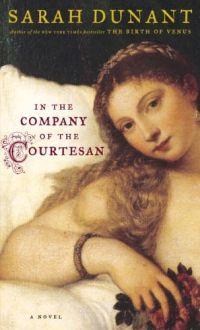
As one of the esteemed courtesans in Renaissance Rome in 1527, Fiammetta enjoys a house full of riches from admirers, many loyal servants and the favor of the local Cardinal, who protects her from censure. When the Protestant German forces under Charles V attack the walls of Rome, Fiammetta and her most trusted servant, Bucino, plan to welcome and entertain the invaders in an effort to save their own lives and wealth. For a time, the war-crazed men are appeased, but eventually Fiammetta and Bucino must escape from ransacked Rome with only the jewels they can swallow to sustain them on their journey.
They return to Venice, the city of Fiammetta's birth, a port city built upon waterways at the edge of the sea. While Venice is enjoying relative protection from the ravages of invasion, Fiammetta and Bucino have an arduous struggle to restore Fiammetta's beauty and establish themselves in business again. Unsure of whom can be trusted, Bucino is deeply suspicious of anyone willing to help them. A mysterious blind healer, La Draga, creates potions and creams to help Fiammetta's emotional and physical recovery. A valuable discovery provides the funds and incentive for a former friend to place Fiammetta's name in the Register of Courtesans and establish her as a desirable companion. In this stunning account, Venice holds the promise of wealth, the temptation of love and opportunities for both passion and betrayal.
Ms. Dunant weaves a gripping tale of survival, told from the perspective of Bucino, the dwarf who's Fiammetta's accountant, pimp and only ally. As a narrator, Bucino is an intriguing oddity. His physical deformities cause his body to ache, but they allow him to play a comic, a dim-wit or a demon in threatening situations. His livelihood and safety depend on his partnership with Fiammetta, and Dunant's depiction of their relationship is fascinating. A historical footnote details both Dunant's research and inspiration. She takes very few liberties with historical events and characters. This novel is highly discussable and will spark further interest in the historical politics of sex and religion and in Venetian glassmaking, art and architecture.
No excerpt available.













 © 2003-2026