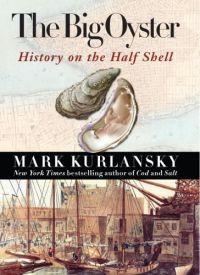
Before New York City was the Big Apple, it could have been called the Big Oyster. Now award-winning author Mark Kurlansky tells the remarkable story of New York by following the trajectory of one of its most fascinating inhabitants�the oyster, whose influence on the great metropolis remains unparalleled.
For centuries New York was famous for its oysters, which until the early 1900s played such a dominant a role in the city�s economy, gastronomy, and ecology that the abundant bivalves were Gotham�s most celebrated export, a staple food for the wealthy, the poor, and tourists alike, and the primary natural defense against pollution for the city�s congested waterways.
Filled with cultural, historical, and culinary insight�along with historic recipes, maps, drawings, and photos�this dynamic narrative sweeps readers from the island hunting ground of the Lenape Indians to the death of the oyster beds and the rise of America�s environmentalist movement, from the oyster cellars of the rough-and-tumble Five Points slums to Manhattan�s Gilded Age dining chambers.
Kurlansky brings characters vividly to life while recounting dramatic incidents that changed the course of New York history. Here are the stories behind Peter Stuyvesant�s peg leg and Robert Fulton�s �Folly�; the oyster merchant and pioneering African American leader Thomas Downing; the birth of the business lunch at Delmonico�s; early feminist Fanny Fern, one of the highest-paid newspaper writers in the city; even �Diamond� Jim Brady, who we discover was not the gourmand of popular legend.
With The Big Oyster, Mark Kurlansky serves up history at its most engrossing, entertaining, and delicious.












 © 2003-2026