June 8th, 2026
Home | Log in!
Welcome to FreshFiction

Are you a reader
or an author?

Help us personalize your experience. Choose your role below.
You can always change this later using the switcher button.

or

You can switch anytime using the floating button.

Limited Time Fresh Fiction Access

Exclusive Marketing Opportunities for Authors

Curious about how Fresh Access helps authors gain more visibility and connect with active readers?

Discover premium promotional opportunities, enhanced exposure, and author-focused services designed to help your books stand out.

Read More →
On Top Shelf
★ Fresh Access for Authors 📚 New Books This Week 📰 Latest News 🎪 Reader Games πŸ–οΈ Summer Kick Off Giveaways

Love, Danger, Homecomings & Heart β€” Your June Reading Escape Starts Here

Slideshow image


Since your web browser does not support JavaScript, here is a non-JavaScript version of the image slideshow:

slideshow image
One disastrous night. One devastating man. One diabolical proposition.


slideshow image
He’s stubborn. She’s tougher. His kid? Already picked the bride.


slideshow image
A small-town second chance wrapped in danger, desire, and Sharon Sala heart.


slideshow image
She came home to save the ranch… and found the cowboy she never forgot.


slideshow image
From reality TV heartbreak to real-life reinvention.


slideshow image
A missing twin. A deadly cartel. One K-9 team caught in the crossfire.


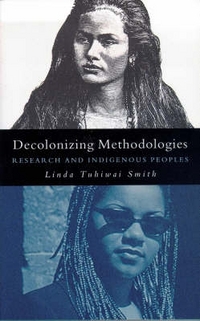
DECOLONIZING METHODOLOGIES
By: Linda Tuhiwai Smith

Research and Indigenous Peoples

Zed Books
March 1999
On Sale: March 15, 1999
224 pages
ISBN: 1856496244
EAN: 9781856496247
Paperback
Add to Wish List

Non-Fiction

From the vantage point of the colonized, the term "research" is inextricably linked with European colonialism. Here, an indigenous researcher issues a clarion call for the decolonization of research methods. The book is divided into two parts. In the first, the author critically examines the historical and philosophical base of Western research. Extending the work of Foucault, she explores the intersections of imperialism, knowledge and research. The second part of the book meets the urgent need for literature which validates frustrations with various western paradigms, academic traditions and methodologies. In setting an agenda for planning and implementing indigenous research, the author shows how such programs are part of the wider project of reclaiming control over indigenous ways of knowing and being. This book sets a standard for truly emancipatory research. It brilliantly demonstrates that "when indigenous peoples become the researchers and not merely the researched, the activity of research is transformed."

Media Buzz

Tell Me More - August 5, 2008

© 2003-2026 off-the-edge.net  all rights reserved Privacy Policy