Ireland in 1999 seems astoundingly trusting. Sarah steals
a passport, jumps on a plane from Boston (transatlantic
flights were very expensive in those days, but she manages),
and gets chatted up by the single man in the seat next to
her. She really doesn’t want his attention, but Paul
Byrne persists and brings her home to his parents’
house on the south side of Dublin. He’s a medical
student. The family isn’t sure what to make of Sarah,
and for no reason I can see, they let her stay rent-free for
a month before anyone says anything. Unfortunately, by then,
Paul has got what he wanted all along from a vulnerable girl
– she’s still under eighteen when they meet, but
lies that she’s twenty.
Donegal, in the northwest of Ireland, is where Sarah is
living as Saoirse some years later, using the identity of an
Irish woman and working as an artist. The whole story is
told in the present tense, which makes it harder to follow
the jumps back and forth in time as Saoirse looks at a
painting and considers the memories it evokes. We learn why
she needed to disappear from the US, and we know paperwork
is likely to find her out eventually.
I found Saoirse hard to connect with, as she never seems
to have an opinion, except that she doesn’t want to do
something, which she does anyway. Girls got pressured into
all sorts of things back then, as we see them complaining
mightily. I can feel sorry for her. Maybe I don’t want
to be reminded of how difficult life was for women back
then, with no divorce or other freedoms. Ireland was
modernising, which is why the tale had to be set in the
past.
Charleen Hurtubise uses artwork as a device to link
memories, but doesn’t tell us much about painting.
Saoirse keeps thinking she doesn’t want fame and may
destroy her sketches. Not unnaturally, her friends are proud
of her skill and keep trying to promote her work, without
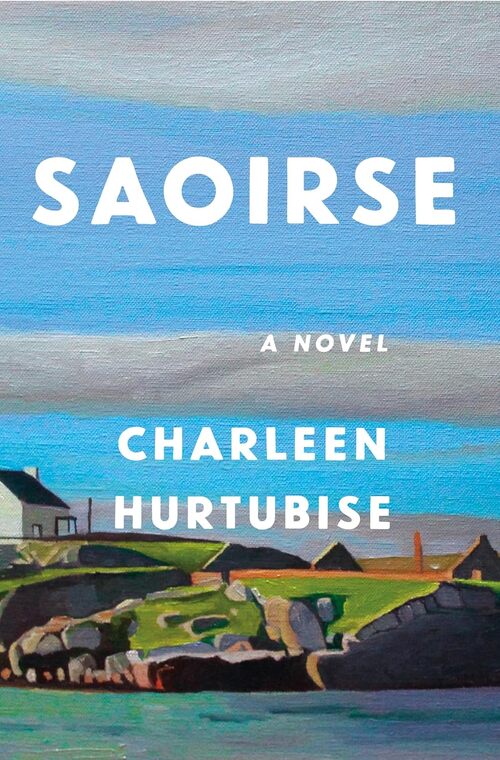
knowing what she is hiding. SAOIRSE asks what any of us
might hide, if it mattered enough to keep us alive.
No excerpt available.









 © 2003-2026