During the early 1920s, Egypt was just one more of the
British Empire’s nations trying to achieve
independence. The polite title of a protectorate, instead of
a colony, was bestowed, and archaeologists continued the
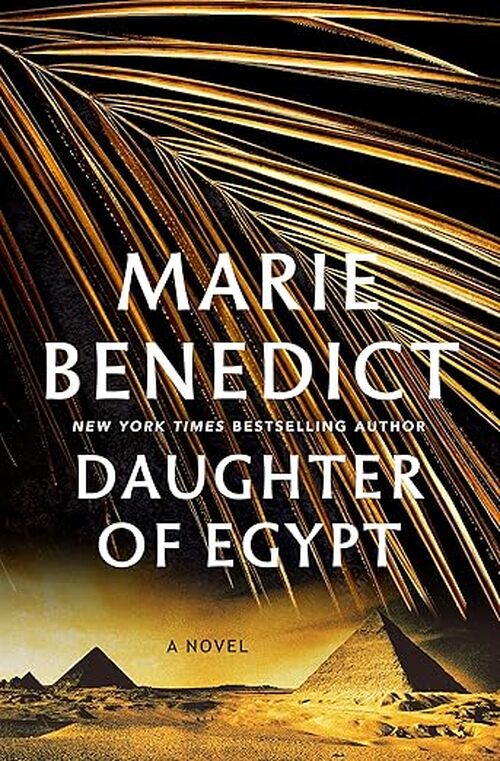
work that had been interrupted by the Great War. DAUGHTER OF
EGYPT takes up at this point, a sweeping tale full of uneasy
murmurings against the British and the export of
antiquities.
Best known for the later discovery of Tutankhamun's tomb,
Lord Carnarvon of Highclere Castle and Howard Carter are at
this point returning to their shared dig sites and hiring
workers. They have found minor tombs and various treasures.
Eager young Lady Evelyn Herbert, Carnarvon’s daughter,
is determined to join them; her stern mama is equally
determined to keep her daughter in polite company and try to
find her a match.
Hatshepsut, a young woman descended from the pharaonic
line, tells us her story in ancient times. As the sole heir
to the throne of Upper and Lower Egypt, she has to marry and
rule with her husband, and only a close family relative will
do. Later, she rules alongside her daughter and that little
girl’s planned husband. Jealous mothers want their
child to rule, and factions quickly develop. Hatshepsut,
achieving an unheard-of status, had many decisions to make
and was apparently a wise and kind ruler, fostering trade.
Why, then, was the order to obliterate carvings about her
reign given after her death? Evelyn has been piecing
together the tale and hopes to find answers, maybe even the
queen’s tomb.
Marie Benedict specialises in providing the tales of
women behind the headlines. A previous book,
Carnegie’s Maid, looked at Andrew Carnegie and the
family’s Irish maid, who may have influenced the
millionaire towards philanthropy. Not just the unusual
female Egyptian ruler but the female archaeologist, taught
by her associates to study maps and hieroglyphics, and a
veteran of hard physical work of excavations, help us to
realise that history is about many women whose names we
don’t hear. At one time, it was not considered
appropriate to put women in newspaper stories, exposing them
to gossip. Evelyn also didn’t have the wherewithal to
finance a dig, the cost of which almost bankrupted her
father.
Plenty of local politics and characters appear, adding
stability to the structure of the dual time frame. DAUGHTER
OF EGYPT is well worth a read for fans of historical
fiction.
No excerpt available.









 © 2003-2026