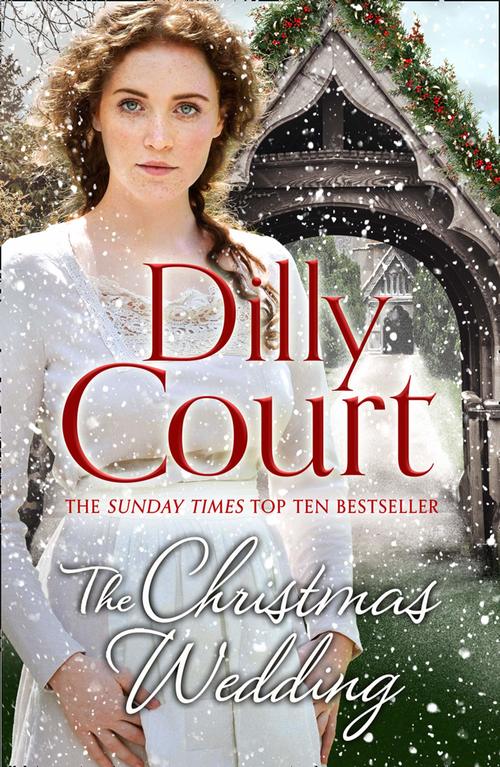
Daisy Marshall, governess, is furious when the middle-class London family whose young son she teaches, dispense with her services. She had grown too close to the elder son and she isn’t considered good enough. THE CHRISTMAS WEDDING starts in winter of 1867 but not with a wedding, as busy, ambitious Daisy returns to her family in Essex and starts looking for a new career.
What I find most interesting about this story is that we mingle with the new middle class; doctors, teachers, affluent traders; and minor landlords who throw their weight around upon the poor tenants. Little Creek, on the coast of Essex, is well placed to import goods from the Continent, so there is even a smuggler. We see that as money started to flow in new directions around society, more jobs were opening up for women and more formalisation of roles occurred.
Daisy’s fond brother’s best friend Nicholas is moving home to take over his father’s medical practice in Little Creek. But Nicolas has inherited a pile of debts to go with the house we’d today call a money pit – dark, damp and in need of much repair. Come to that, the village houses are not much better than hovels, as the Squire extracts rent but never invests in the properties. Daisy isn’t sure she wants to live in Essex, and returns to London where she commences nursing training. Whatever the problems she faces, chances are her training and strong character will see her through them.
We meet many local people in both locations and see some of the daily hardships faced by the poor. Anyone who enjoys an unorthodox historical romance – one in which we don’t encounter high society – will get along famously with Dilly Court, whose earlier books include the memorable Pit Bank Wench. Her latest book THE CHRISTMAS WEDDING is first in a series called ‘The Village Secrets’. The secret in this story comes out near the end, and changes life for several people, not least our indomitable Daisy Marshall. I can’t wait to see what will be revealed next time.
No excerpt available.










 © 2003-2026