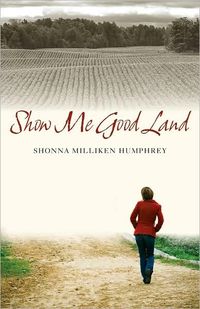
Set in rural, poverty-stricken Fort Angus, Maine, this book opens on Odie Hollander sitting in prison. His mother, Sheila, is trying to raise the money for his bail and runs her idea by him. She slides a few prescriptions over the table in the visiting room and asks the street value. As he quickly estimates it and tells her, she realizes that his bail money has been raised. Unfortunately, this is the last time he sees his mother.
The rest of the book tells the story of the other residents of the Fort Angus. As with many small, rural towns, most people are connected to the rest of the people in one way or another, and Fort Angus is no different. The death of Sheila Hollander has shocked the town. Who would do such a thing? Why?
The book tells the story of each person in the town - the misunderstood (and quickly ostracized) gay person), the extremely intelligent person who felt the need to escape but is called back during this time, and the minister who is suffering from dementia (to name some of the more memorable).
The prose seems as it should be for this story - not exactly slow, but not hurried or rushed. It gives the reader a sense of the oppression that hangs over the town as the majority of the population works in the potato fields, struggling to bring home enough money to keep the family going. The humor within the book is light, but appropriate, and it's enough to keep the book from feeling too heavy.
The mystery of who killed Sheila takes a backseat to the personal stories of each person, but by the end of the book we do know who the culprit was, and the mystery is solved with a delightful twist.
This was a great read, a balanced story, and it moved quickly. It was a pleasure to read, and I can imagine myself visiting it again, because I'm sure there are nuances that can be picked up with each re-reading.
No excerpt available.












 © 2003-2026