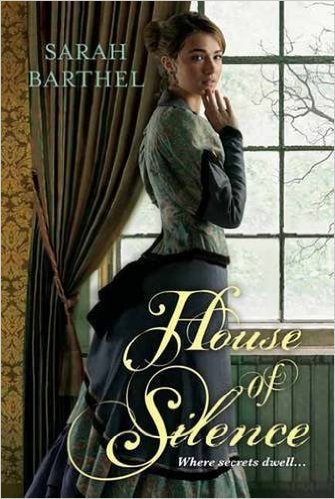
I grew up loving historical fiction and it was one of my go-to subgenres. I've strayed from it a bit in recent years but am trying to add more of it to my TBR. I especially like storylines or time periods I haven't already read about seven thousand pages about, so when this book, set in 1875 in suburban Chicago popped up as a review option, I decided to take the plunge.
I am delighted that I did! HOUSE OF SILENCE examines gendered expectations, mental health, and friendship, with a touch of romance thrown in. I really liked how the character of Mary Todd Lincoln was worked in and how she was written as a woman of immense strength and fortitude. I feel we hear a lot about President Lincoln but very little about his wife in the cultural zeitgeist, so I was happy for this corrective.
Overwhelmingly, what this book argues is that in this era the lives of women were often so far out of their own control, and their voices were so rarely trusted over those of men, that women would go to extreme measures to regain control. Of course, I say "in that era" as that is when the story is set, but let's be honest: not much has changed. Thankfully politically arranged marriages with partners who churn stomachs are less common place, but several other elements of this story felt upsettingly contemporary.
Beyond the disturbing crime at the beginning and the reality that Isabelle has to resort to such methods to feel safe, this book has a gentle way about it. The story is carefully revealed and the characters vibrant. HOUSE OF SILENCE would be the perfect companion to an afternoon curled under a fuzzy blanket with a warm beverage in hand.
No excerpt available.












 © 2003-2026