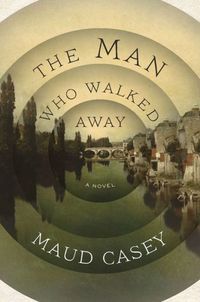
All mysterious Albert does is walk. He walks from city to city to country to country, and he, nor anyone else, knows exactly why. The Doctor has seen many spectacles, but none quite like Albert. Mental health knowledge is still developing, but the Doctor does the best he can to figure out the mystery behind this man who walks and walks.
While parts of THE MAN WHO WALKED AWAY by Maud Casey are intriguing, it ended up not being a good book for me. Albert is super interesting, and he's loosely based on a real person. His mindset is both sad and mesmerizing at the same time. The point of view wasn't first person, but I almost wish it was because it would have been really cool to see exactly how Albert and the Doctor thought in their own head. The limited perspective on them made it hard for me to connect with the characters.
The little inserts of the swan tale adds a little magic to the story, and I liked that a lot. It gives a nice contrast to what Albert is going through, and it was great how the contrast kept up throughout the whole novel.
Overall, this just wasn't the novel for me. THE MAN WHO WALKED AWAY has some really nice elements to it, particularly in the intriguing fact that it's loosely based on a true story. Maud Casey can certainly spin a story; it just wasn't the story for me. I could see bigger fans of literary fiction enjoying more than I did. Even so, I'm definitely still interested in seeing what else this author comes up with.
No excerpt available.









 © 2003-2026