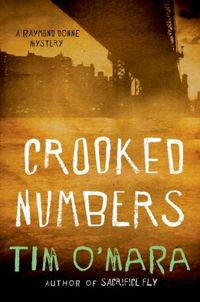
The kid is too young to die. As he looks at the lifeless face of the previously vibrant, almost seventeen year old, Raymond Donne ponders what derailed the life of this promising student he once taught. Douglas (Dougie) Lee's body has been found in a tennis court near the Williamsburg Bridge in Brooklyn wearing beads that designated that he belonged to a gang, but something seemed off about that picture.
The police are almost ready to write it off as just another black kid in a drug deal gone bad, but Dougie's mother doesn't believe that about her only son. As Raymond comes to offer his condolences to Mrs. Lee, she beseeches him to find out the truth.
Besides being a teacher, Raymond is the Dean of Students for a public high school in Brooklyn and a former ex-cop. While Raymond may have left the police force due to a physical injury, it is sometimes hard for him to turn off his "cop brain" and he still has lots of connections on the force. Ray makes promises not to get involved in police investigations, but asking a few questions won't hurt, will they? Maybe a call to a reporter won't hurt either, will it?
He trusts the detective working the case, but knows how cops think. Hoping to kickstart something, Raymond decides to check out some of Dougie's friends. He soon finds some interesting activities going on in the elite private school that Dougie has been attending on a scholarship. Raymond knows he should not get involved, but when another student gets hurt and one dies, what can he do? But as he probes, things shift and now Ray may be in danger. What is really going on?
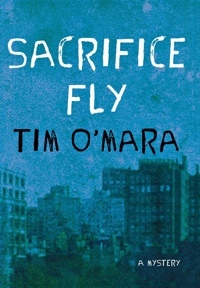
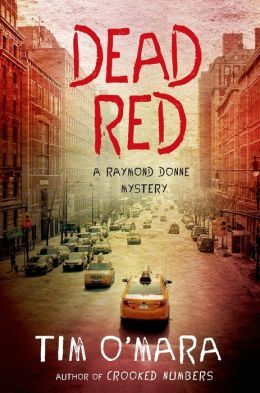
CROOKED NUMBERS is the second book by Tim O'Mara and the story has some linkage back to his very well received first novel Sacrifice Fly. Given the success of that debut book, CROOKED NUMBERS is sure to be a hit with his fans.
While both books can easily be read with their own storylines, CROOKED NUMBERS continues to feature Raymond Donne as the main protagonist and to place his fictional events in the realistically described Brooklyn/Manhattan area. In addition to O'Mara's talents at character development, his descriptions instantly pulls you in to the story and the action from the crowded apartment of the grieving mother to Raymond's daily work with students to his favourite bar to relax in with his friends, and especially with Edgar, his autistic friend who Ray both admires for his info technology skills, but who also drives Ray crazy with his persistent questions.
While a relatively new writer, O'Mara gets top marks for character development as both main and secondary characters are well-developed and authentically described. I found Raymond Donne to be a likable and realistic character and hope to read more about him in the future. As a former teacher myself, I appreciate his approach with how he cares for and deals with the students in his school. I also like how O'Mara sets up the interactions Raymond has with the various youths in the story and how he gets them to talk to him.
Another strength is O'Mara's skill in developing the storyline, adding in suspense, and how he has Donne pulling together his information and clues in a very natural style. Donne is aware of his limitations, both physically as well as knowing he should not cross the line back and potentially jeopardizing police work as his uncle and namesake keeps reminding him. The senior Raymond Donne is none other than the head of the detectives for the NYCPD. But, if the need arises and the police can't be there, what can Raymond do?
No excerpt available.






 © 2003-2026