|
On Top Shelf
|

Exclusive Marketing Opportunities for Authors
Curious about how Fresh Access helps authors gain more visibility and connect with active readers?
Discover premium promotional opportunities, enhanced exposure, and author-focused services designed to help your books stand out.

|
Purchase
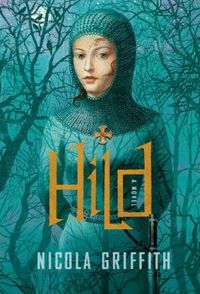
Farrar, Straus and Giroux Historical, Women's Fiction Historical Excerpt of Hild by Nicola GriffithThe child’s world changed late one afternoon, though Onnen, some leftwise cousin of Ceredig king, always hurried, The jackdaw cries faded. The geese quieted. The wind cooled. Cian, sitting cross-legged as a seven-year-old could and “Where’s Onnen?” He swished his stick. “I shall hit a tree, as the Gododdin “I want Onnen.” “She’ll be along. Or perhaps I shall be the hero Morei, “I want Hereswith!” If she couldn’t have Onnen, she would “I could make a sword for you, too. You shall be Branwen.” “I don’t want a sword. I want Onnen. I want Hereswith.” He sighed and stood. “We’ll go now. If you’re frightened.” She frowned. She wasn’t frightened. She was three; she had But even as Cian’s mother came into view, Hild frowned Onnen stopped before Hild. “Your father is dead.” Hild looked at Cian. He would know what this meant. “The Onnen looked from one to the other. “You’ll not be wanting Far away a settling jackdaw cawed once. “Da is prince! He is!” “He was.” With a strong thumb, Onnen wiped a smear of dirt Troubles. Hild knew of troubles from songs. “We go to your lady mother—keep a quiet mouth and a bright Cian swished at an imaginary foe. “Highfolk,” he said, Hild put her arms around him. They didn’t quite meet, but And then they were wrapped about by Onnen’s arms, Onnen’s “Us,” Cian said, and hugged Hild hard. “We are us.” “We are us,” Hild repeated, though she wasn’t sure what he Cian nodded. He kept a protective arm around Hild but looked “It was not, but the rest we’ll chew on later, as we may. Excerpt from Hild by Nicola Griffith |




|
| |||
|
||||
 © 2003-2026