A Short History of the Numbers That Rule Our World
Simon & Schuster
February 2014
On Sale: February 11, 2014
320 pages ISBN: 1451651201 EAN: 9781451651201 Kindle: B00DPM7ZZS Hardcover / e-Book Add to Wish List
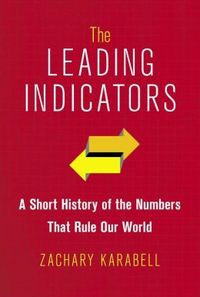
We are bombarded every day with numbers that tell us how we are doing, whether the economy is growing or shrinking, whether the future looks bright or dim. Gross national product, balance of trade, unemployment, inflation, and consumer confidence guide our actions, yet few of us know where these numbers come from, what they mean, or why they rule our world.
In The Leading Indicators, Zachary Karabell tells the fascinating history of these indicators. They were invented in the mid-twentieth century to address the urgent challenges of the Great Depression, World War II, and the Cold War. They were rough measures— designed to give clarity in a data-parched world that was made up of centralized, industrial nations—yet we still rely on them today.
We live in a world shaped by information technology and the borderless flow of capital and goods. When we follow a 1950s road map for a twenty-first-century world, we shouldn’t be surprised if we get lost.
What is urgently needed, Karabell makes clear, is not that we invent a new set of numbers but that we tap into the thriving data revolution, which offers unparalleled access to the information we need. Companies should not base their business plans on GDP projections; individuals should not decide whether to buy a home or get a degree based on the national unemployment rate. If you want to buy a home, look for a job, start a company, or run a business, you should find your own indicators. National housing figures don’t matter; local ones do. You can find them at the click of a button. Personal, made-to-order indicators will meet our needs today, and the revolution is well underway. We need only to join it.
Media Buzz
PBS News Hour - March 6, 2014 All Things Considered - February 28, 2014














 © 2003-2026