
Purchase
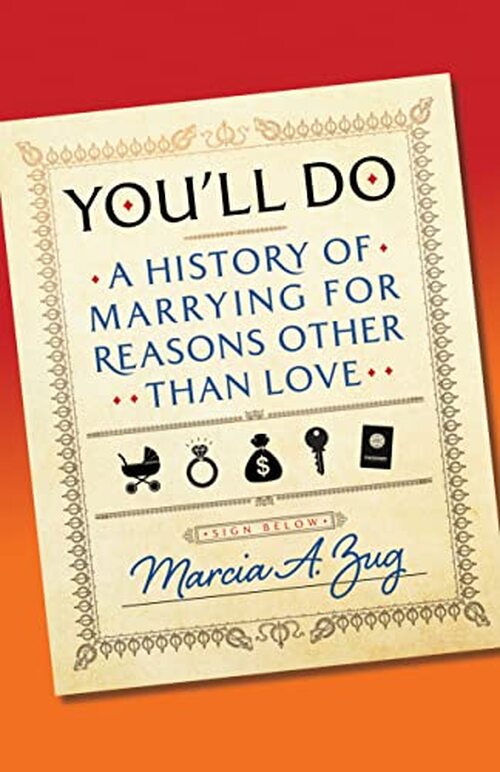
A History of Marrying for Reasons Other Than Love
Steerforth
January 2024
On Sale: January 19, 2024
352 pages
ISBN: 1586423746
EAN: 9781586423742
Kindle: B0C1YCQRX6
Hardcover / e-Book
Add to Wish List
Women's Fiction Contemporary
An illuminating and thought-provoking examination of the uniquely American institution of marriage, from the Colonial era through the #MeToo age
Perfect for fans of Rebecca Solnit and Rebecca Traister
Americans hold marriage in such high esteem that we push people toward it, reward them for taking part in it, and fetishize its benefits to the point that we routinely ignore or excuse bad behavior and societal ills in the name of protecting and promoting it.
In eras of slavery and segregation, Blacks sometimes gained white legal status through marriage.
Laws have been designed to encourage people to marry so that certain societal benefits could be achieved: the population would increase, women would have financial security, children would be cared for, and immigrants would have familial connections.
As late as the Great Depression, poor young women were encouraged to marry aged Civil War veterans for lifetime pensions.
The widely overlooked problem with this tradition is that individuals and society have relied on marriage to address or dismiss a range of injustices and inequities, from gender- and race-based discrimination, sexual violence, and predation to unequal financial treatment.
One of the most persuasive arguments against women's right to vote was that marrying and influencing their husband's choices was just as meaningful, if not better.
Through revealing storytelling, Zug builds a compelling case that when marriage is touted as “the solution” to such problems, it absolves the government, and society, of the responsibility for directly addressing them.
| 










 © 2003-2026