Two fresh starts. One unexpected Christmas romance.
The one woman he shouldn't love is the one he can't forget.
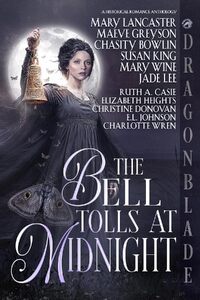
Will the midnight bell bless their love—or seal their fate?
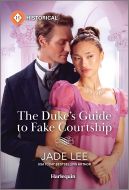
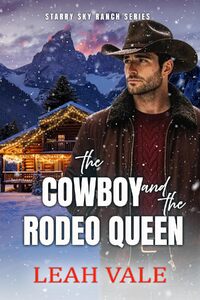
He ghosted her ten years ago. Now she’s stuck with him for Christmas.
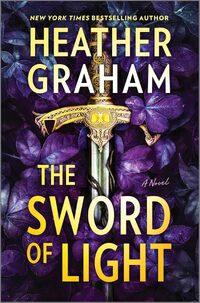
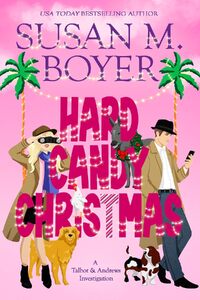
Christmas is sweet. Family secrets can be deadly.
November Reads: Christmas Romance, Cowboy Kisses & Deadly Secrets
From Montana Cowboys and Rodeo Queens to Mistletoe Magic, Haunted Romance, and Holiday Mysteries—Your Next Great Read Awaits!
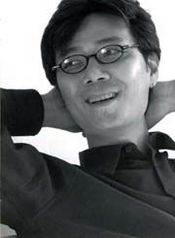
Young-ha Kim
Born in 1968, Kim Young-ha kicked off his writing career with his first novel I have the right to destroy myself, which won him the much-coveted Munhak-dongne prize in 1995. Since then, he has gained a reputation as the most talented and prolific Korean writer of his generation, publishing five novels and three collections of short stories. Kim's novels and stories focus on articulating a new mode of sensitivity to life's thrills and horrors as experienced by Koreans in the ever-changing context of a modern, globalized culture. In his search for a literary style, as is often the case with internationally renowned post-modern novelists, Kim attempts to embark on exhilarating and provoking crossing of the boundaries of high and low genres of narratives. His historical novel Black Flower tells the story of the first generation of the Korean diaspora forced into slave labor in a Mexican plantation and later involved in a Pancho Villa-led military uprising in a style. Sources of inspiration for this novel came from classical Bildungsroman, stories of sea trips as illustrated by the popular film Titanic, ethnography of religion, as well as Korean histories of exile and immigration. Another instance of Kim's fabulously mixed style is found in The Empire of Light, his fourth novel, in which he raises the question of human identity in a democratic and consumerist Korean society by presenting a North Korean spy and his family in Seoul in the manner of a crime fiction combined with a truncated family saga and naturalist depiction of everyday life. Each of Kim's novels has received acclaims from both critics and readers alike, and most have earned him major awards. In 2004--his "grand slam" year--he won three of the most prestigious literary prizes in Korea. With some 20 of his novels and stories being translated into more than 10 languages, he has begun to be recognized by critics overseas as well as in his country as representative of a literary breakthrough that occurred in the wake of democratization and post-industrialization in South Korea.





 © 2003-2026