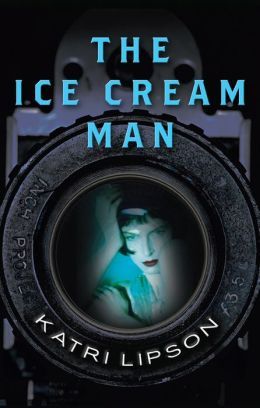
Actors Ms Zachovalová and Martin Jelínek are making a film in the East European countryside, with spruce woods, farmhouses and poor roads. The temperamental director won't show them the whole script of the film THE ICE CREAM MAN which is set in 1947 and contains scenes of interrogation and adult behaviour; they have to read, interpret and act a scene at a time. This is supposedly so that they know no more of the outcome than do the characters living the story. Zachovalová starts to see everything from the point of view of her character Esther, and thinks of Martin as Esther's husband Tomas, both from Czechoslovakia.
As this setting is both modern and historic, the reader finds references to the Hapsburgs, the Austro-Hungarian Empire and the Second World War. An amputee man is among the film cast, who obligingly shows the actress his prosthesis; he is to play a pilot who lost his leg during the war. She asks whether he is always playing the same part, and he replies, no, lots of different men who just happen to be one-legged. The reader can find these asides humorous, but the tale itself is gritty, as we feel the discomforts, lack of privacy or dignity and occasional distaste experienced by this dedicated woman.
We also see through the eyes of others involved with the film, how the Czechs had to come to terms with repression by Russia, always needing papers and visas, constantly having their motives questioned. At the same time a ballroom ceiling is hung with antique Bohemian crystal chandeliers, mocking the shabbiness of the people in the street. Later the scene moves to liberal Sweden, where a young man from Prague finds he can travel without anyone asking what colour his toothbrush is.
Translated by Ellen Hockerill in this edition, THE ICE CREAM MAN won the European Union Prize for Literature in 2013. The chopping-and-changing identities won't suit everyone, but we are free to interpret them as we wish; maybe the layered story is about the layers of identities assumed by East European people to hide their real selves from the Russian troops and survive until they could regain national character. THE ICE CREAM MAN is the second book by Katri Lipson.
No excerpt available.











 © 2003-2026